
Have you thought about playing the best NFT games and earning rewards while having fun? An NFT game gives you a chance to earn digital assets you actually own, trade, or sell, instead of just playing for points that disappear. These games are revolutionizing the way we think about gaming by combining entertainment with real-world value.
In this article, we are diving into how to choose the best NFT games, how to start playing them, and the key trends shaping the future of NFT gaming. Specifically, from earning opportunities to asset ownership and cross-game utility, we’ll cover everything you need to know to get started. Read on to find out.
Best NFT Games: Quick Comparison
| Game | Launch Year | Key Features | Platform | Blockchain |
| Axie Infinity | 2018 | Players collect, breed, and battle fantasy creatures called Axies. | PC, Android, iOS | Ronin (Ethereum Sidechain) |
| The Sandbox | 2018 | User‑generated voxel worlds, LAND/ESTATE ownership, NFT marketplace, Game Maker, social metaverse | PC, Mac | Ethereum / Polygon |
| Illuvium | 2024 | A virtual metaverse where players can build, own, and monetize gaming experiences. | AAA RPG, capture/battle Illuvials (NFT creatures), auto‑battler, open world, DAO governance, IlluviDEX | Immutable X (Ethereum Layer 2) |
| Alien Worlds | 2020 | Open-world RPG where players capture creatures called Illuvials. | Web, PC, Mobile (coming) | WAX, Ethereum, BNB Chain |
| Splinterlands | 2018 | Collectible card game with automated battles. | Web Browser, Mobile | Hive |
| Decentraland | 2020 | Decentralized 3D virtual reality platform with land ownership as NFTs. | Web Browser, PC, Mac | Ethereum |
| Nifty Island | 2024 | Social gaming platform with customizable islands and NFT interoperability. | Web | Ethereum (with plans for Solana & Base) |
| God Unchained | 2018 | Competitive card game, true asset ownership, esports focus | PC, Mac, Mobile (Beta) | Immutable X (Ethereum Layer 2) |
| Sorare | 2019 | Fantasy sports game with digital player cards | Web, Mobile | Ethereum |
| Shrapnel | 2024 | AAA first-person shooter with player-created assets. | PC | Avalanche |
10 Best NFT Games to Play and Earn in 2026
NFT gaming in 2026 is more mature, more stable, and more focused on real player value than it was a few years ago. You are no longer choosing between fun and earning potential. The best NFT games now combine engaging gameplay with systems that reward time, skill, and smart decisions. Some titles focus on competition, others on strategy or collecting, but all of them give you a chance to earn assets you can actually own. Below, we start with a game that helped define the play to earn games space and still sets the standard for how players can make money playing games.
1. Axie Infinity
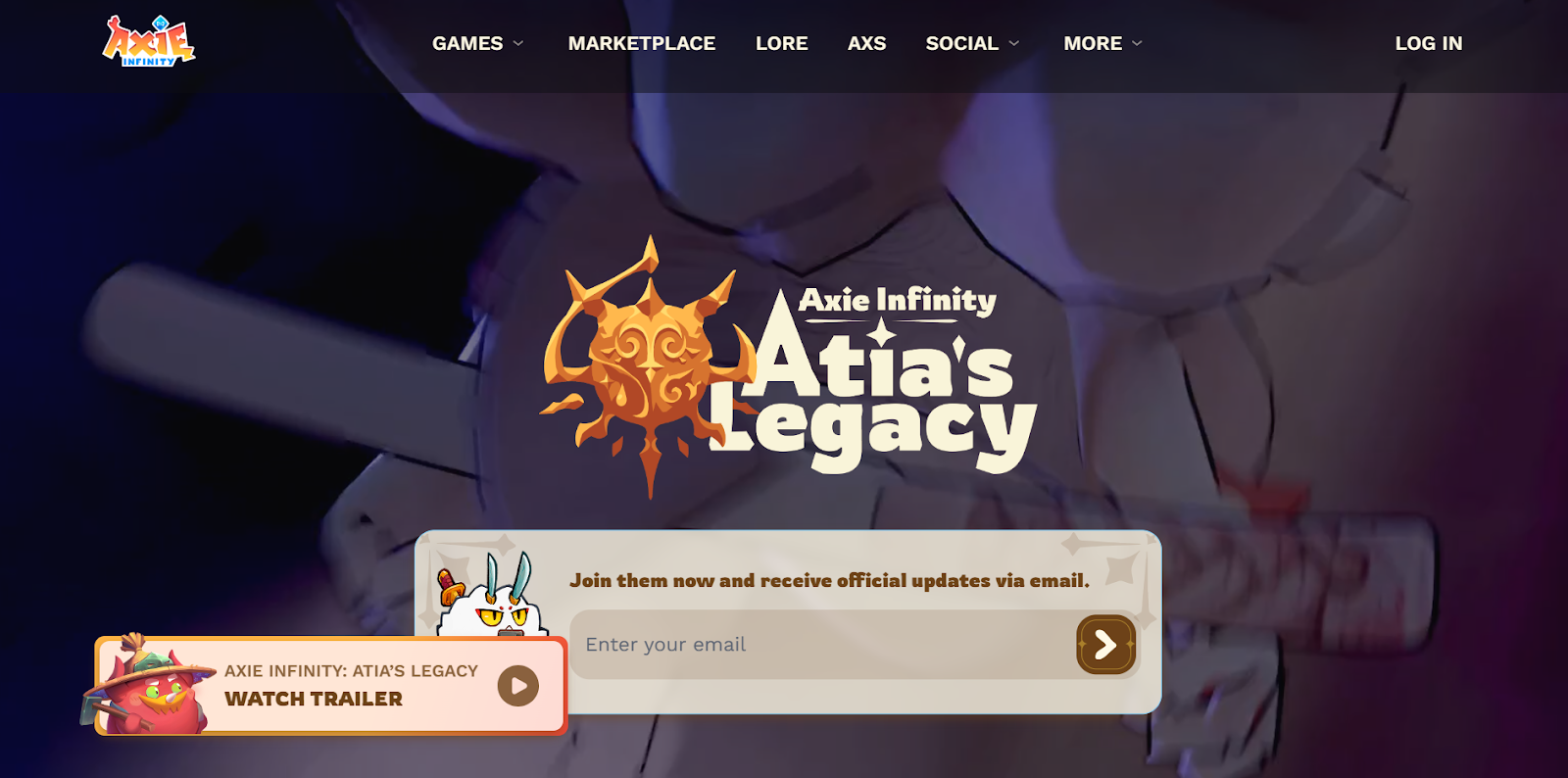
Axie Infinity remains one of the most recognized NFT video games because it blends strategy, ownership, and a working player economy. In the game, you build a team of creatures called Axies, each with unique abilities that affect how they perform in battles. These Axies are NFTs, which means you fully own them and can trade them with other players on the marketplace.
Gameplay revolves around turn based combat, daily tasks, and competitive matches against other players. Winning battles and staying active allows you to earn in game tokens that can be used inside the game or exchanged outside of it. Another major part of the experience is breeding. You can combine Axies to create new ones, then sell those Axies to other players who want specific traits or stronger teams. This makes trading nfts a central part of how players earn.
Axie Infinity runs on the Ronin blockchain, which was built to support fast transactions and low fees. This makes it easier for you to manage assets without losing value to high costs. In addition, the game also uses Axie Infinity Shards, known as AXS, which lets players take part in governance and long term decisions around the project.
If your goal is to profit from playing Axie Infinity, there are multiple earning paths. You can focus on competitive play, smart breeding, or marketplace activity. Success takes learning and patience, but for players who invest time into understanding the system, Axie Infinity continues to be one of the strongest earning focused NFT games available in 2026.
2. The Sandbox
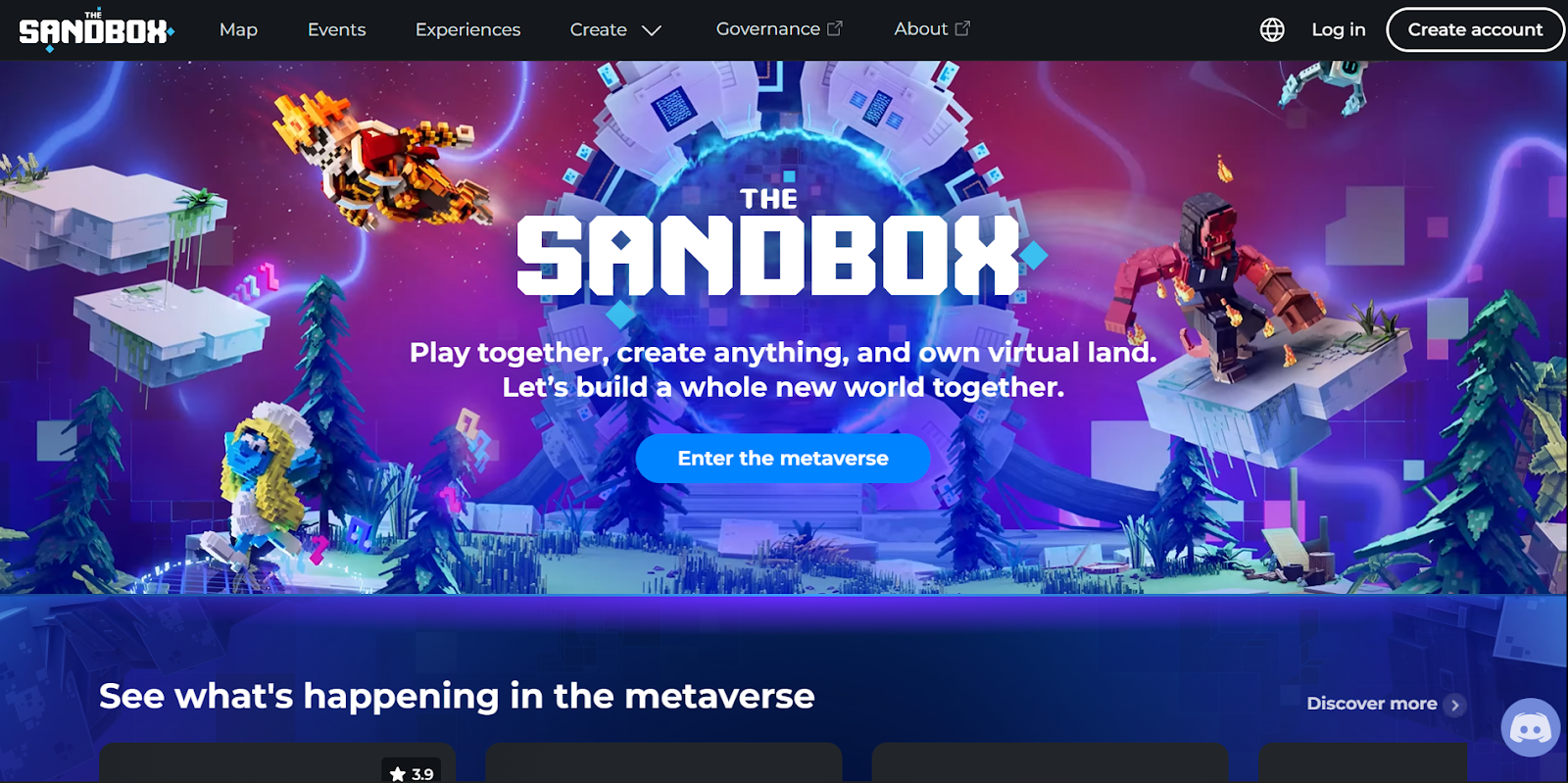
The Sandbox is a crypto gaming platform for players who enjoy creativity and ownership. Instead of focusing on combat or progression, this game centers on building, designing, and trading digital experiences. You explore a virtual world made up of land parcels, known as LAND, which are NFTs owned by players. Each piece of land can be developed into exciting games, social spaces, or interactive experiences that other players can visit.
Gameplay in The Sandbox revolves around creation and participation. You can design characters, objects, and environments using the game’s tools, then turn those creations into NFTs. These assets can be sold or traded in the marketplace, giving you a clear path to earning through creativity rather than competition. Many players focus on designing popular experiences or rare items that attract demand from other users.
Understanding how to buy nft assets is key to getting started. Typically, you need a crypto wallet and the platform’s native token to buy items from the marketplace. Once purchased, these NFTs belong to you and can be held, traded, or used to build experiences inside the game. Ownership is recorded on the blockchain, which helps keep transactions transparent and secure.
The Sandbox uses its own token to handle in game activity, rewards, and governance. This allows players to take part in decisions that shape the platform’s future. Strong partnerships with brands, artists, and creators have helped keep the ecosystem active and relevant.
3. Illuvium
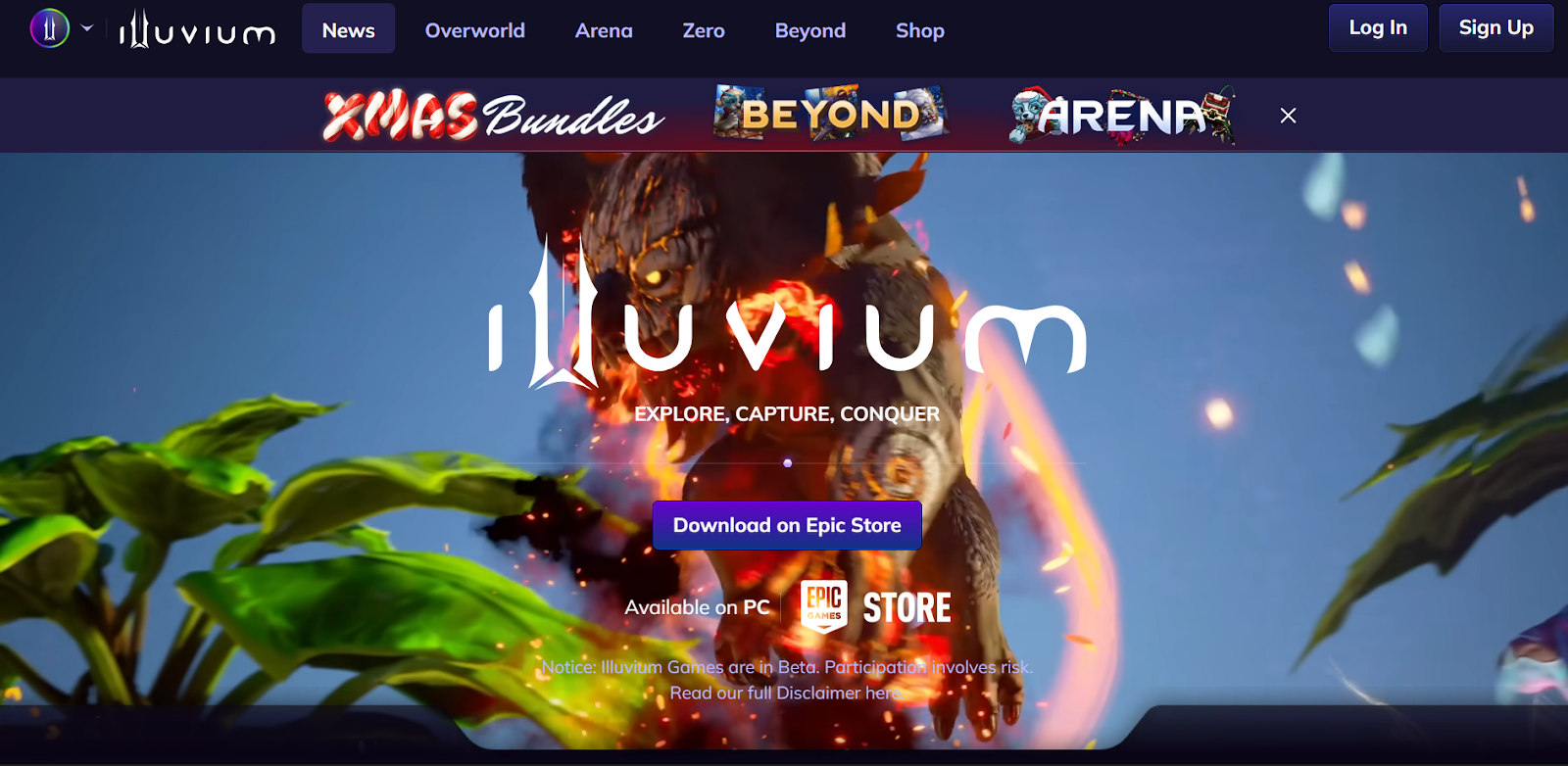
When you think about combining stunning visuals with the chance to generate profit through gameplay, Illuvium stands out as a top contender. This open-world role-playing game (RPG) immerses you in a beautifully designed alien planet where you can explore, battle, and collect creatures known as Illuvials. Each Illuvial is a unique NFT, giving you full ownership and the ability to trade them on some of the best NFT marketplaces.
Illuvium’s gameplay is a mix of exploration and strategy. You’ll venture across diverse landscapes, capturing Illuvials and assembling a powerful team to compete in battles. They’re NFTs that you can sell or trade, offering a real opportunity to earn. The game operates on the Ethereum blockchain, ensuring secure transactions and ownership of your digital assets.
To get started, you’ll need a crypto wallet and some Ethereum to participate in the game’s economy. Illuvium also features its own token, ILV, which can be used for staking, governance, and rewards. The game’s marketplace is a hub for trading Illuvials, weapons, and other in-game items, making it one of the best NFT marketplaces for players looking to profit from their gaming efforts.
Illuvium’s combination of high-quality graphics, engaging gameplay, and financial opportunities has made it a favorite among gamers and crypto enthusiasts alike. Whether you’re exploring the alien world or trading NFTs, Illuvium offers a unique blend of entertainment and earning potential, making it a must-try for anyone interested in the future of gaming.
4. Alien Worlds
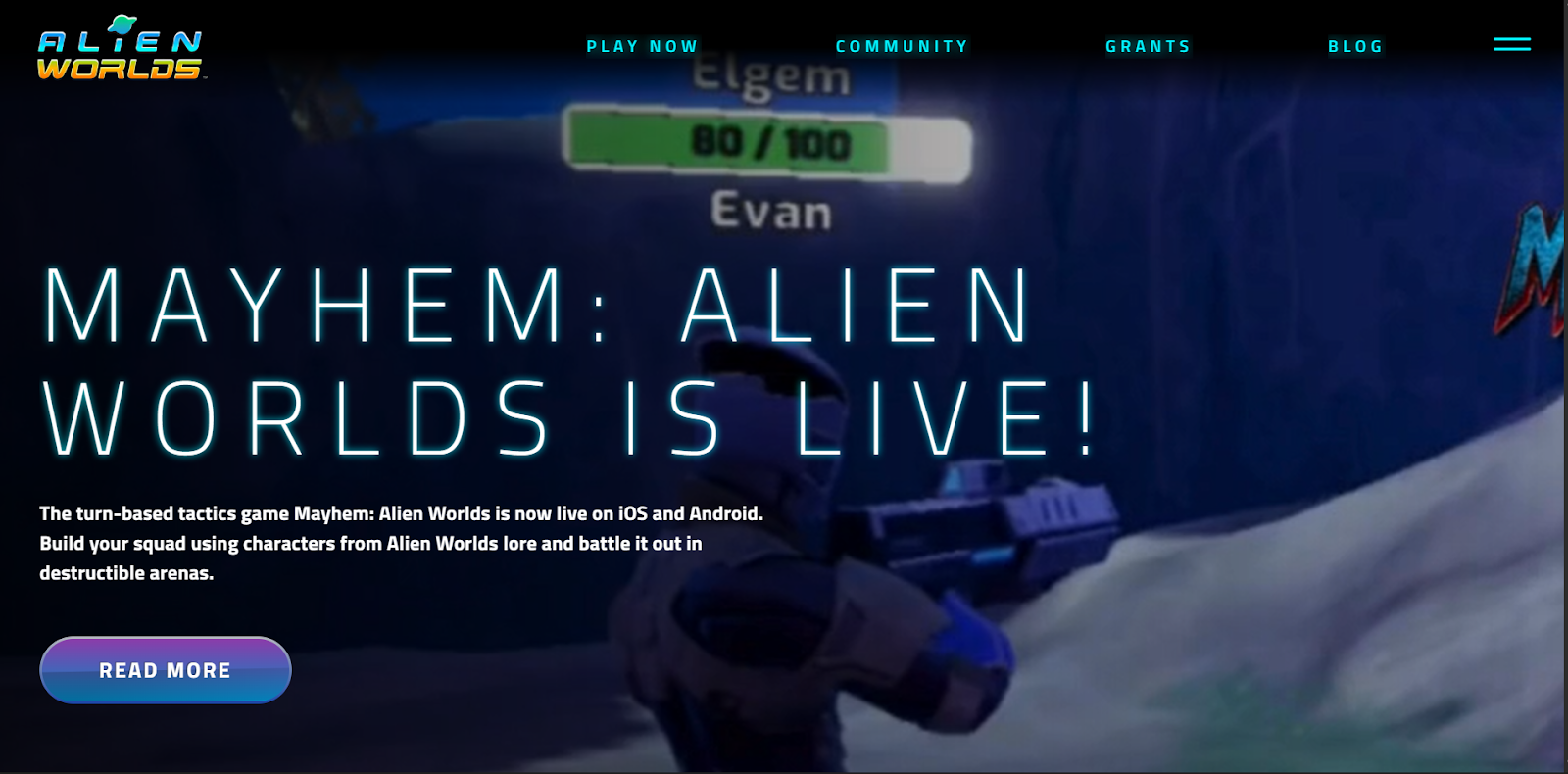
Alien Worlds is a blockchain based game that places you inside a virtual metaverse built around exploration and resource collection. The game is set across multiple planets, each with its own economy, rules, and community. As a player, you choose a planet to align with and take part in activities that help you earn rewards while shaping how that planet develops.
Gameplay in Alien Worlds is simple to understand, which makes it accessible to new players. You mine for resources using tools that exist as NFTs. Each tool has different strengths, and choosing the right one affects how often and how much you earn. The resources you collect are tokens that can be used within the game or traded outside of it. This structure allows you to earn value through consistent participation rather than complex mechanics.
What makes Alien Worlds stand out is how it blends governance with gameplay. Planets are controlled by decentralized organizations, which means players can vote on decisions that affect rewards, rules, and future game development. This creates a sense of shared ownership inside the virtual metaverse and gives players a voice beyond just playing the game.
NFTs in Alien Worlds include tools, land, and other assets that can be traded with other players. For example, land owners earn rewards when players mine on their land, which opens another path for earning through ownership instead of active play. This adds depth to the economy and rewards long-term planning.
5. Splinterlands
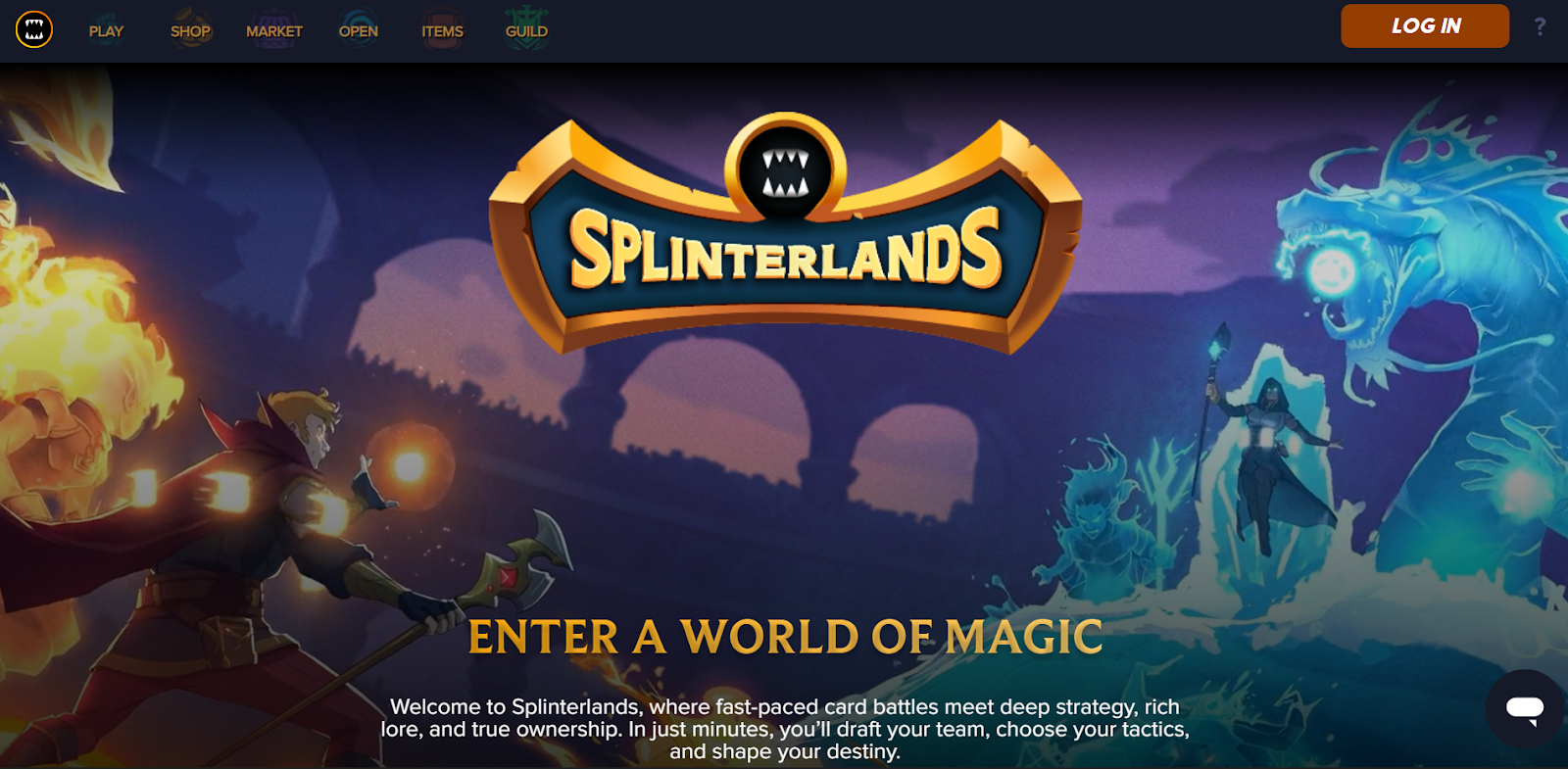
Splinterlands is a captivating card-based strategy game that has gained immense popularity among fans of free NFT games. This blockchain-powered game allows you to collect, trade, and battle with digital cards, each of which is a unique NFT. The game’s focus on strategy and skill makes it an engaging experience for players of all levels.
In Splinterlands, you will build a deck of cards featuring various characters, abilities, and stats. These cards are not just in-game assets. They are NFTs that you fully own and can trade or sell on the game’s marketplace. The battles are fast-paced and require careful planning, as each match is influenced by the unique abilities of your cards and the rules of the game.
One of the standout features of Splinterlands is its accessibility. It is one of the few free NFT games that allows you to start playing without a significant upfront investment. While you can purchase additional cards to enhance your deck, the game offers plenty of opportunities to earn rewards through gameplay. Completing daily quests, winning battles, and participating in tournaments can earn you valuable in-game assets and cryptocurrency.
Splinterlands operates on the Hive blockchain, ensuring fast and secure transactions. The game’s marketplace is a hub for trading cards, where you can buy, sell, or rent cards to other players. This creates a dynamic economy that adds depth to the gameplay and provides opportunities to earn.If you are looking for a free NFT game that combines strategy, ownership, and earning potential, Splinterlands is a fantastic choice. Its engaging mechanics and player-driven economy make it a standout title in the world of blockchain gaming.
6. Decentraland
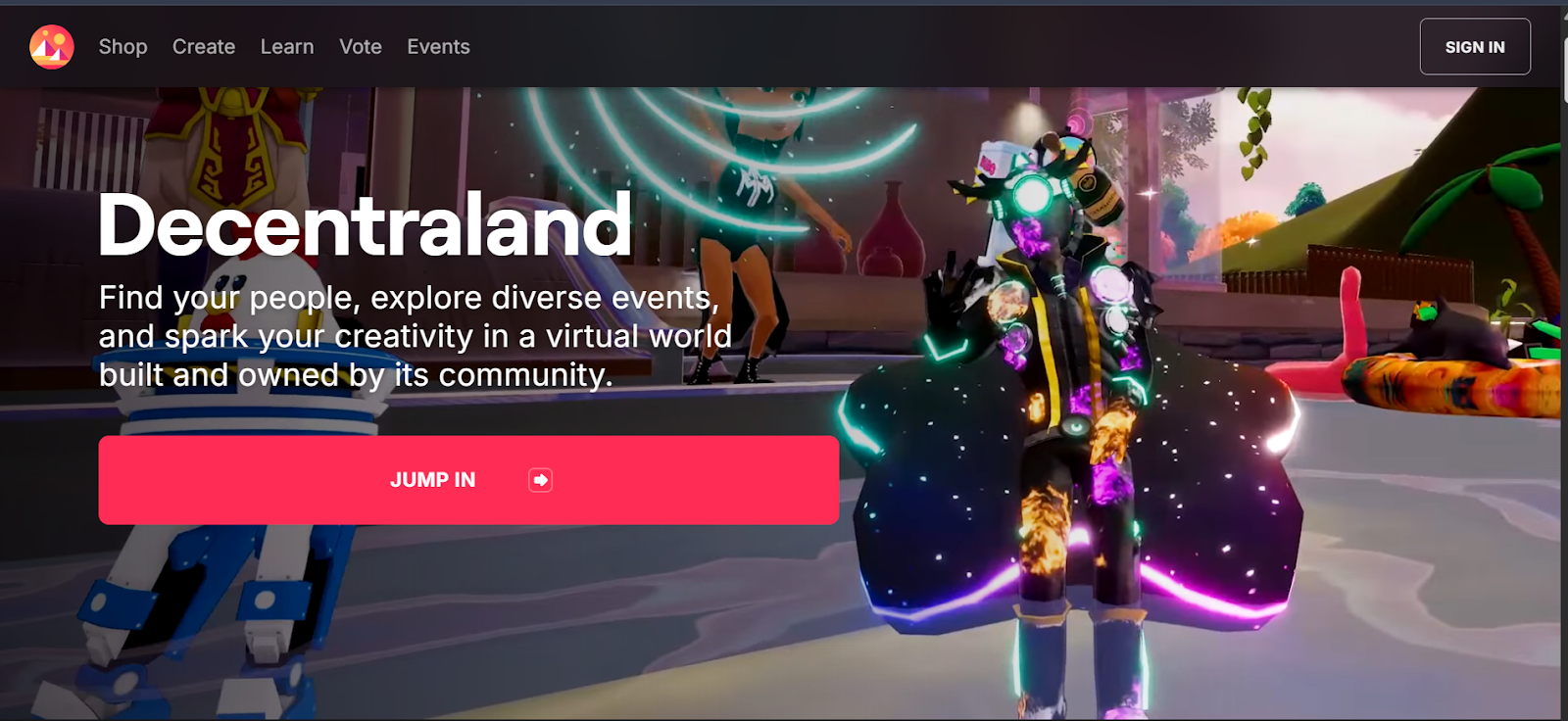
Decentraland is a virtual world that redefines the concept of free NFT games by offering a platform where you can create, explore, and trade within a decentralized metaverse. Built on the Ethereum blockchain, Decentraland allows you to own virtual land, design unique experiences, and monetize your creativity through NFTs.
In Decentraland, you can purchase virtual plots of land, known as LAND, which are represented as NFTs. These plots can be developed into anything you imagine, from interactive games to virtual art galleries or even digital storefronts. The platform’s user-friendly tools make it easy to bring your ideas to life, whether you are a seasoned developer or a beginner exploring the world of NFTs.
What sets Decentraland apart is its thriving marketplace, where you can trade LAND, wearables, and other digital assets. These NFTs are fully owned by you, giving you the freedom to sell or trade them as you see fit. The platform uses its native cryptocurrency, MANA, for transactions, which you can acquire through exchanges or earn by participating in the ecosystem. Decentraland also offers a social aspect, allowing you to interact with other players, attend virtual events, and explore user-generated content. It is a community-driven metaverse where creativity and ownership take center stage.
7. Nifty Island
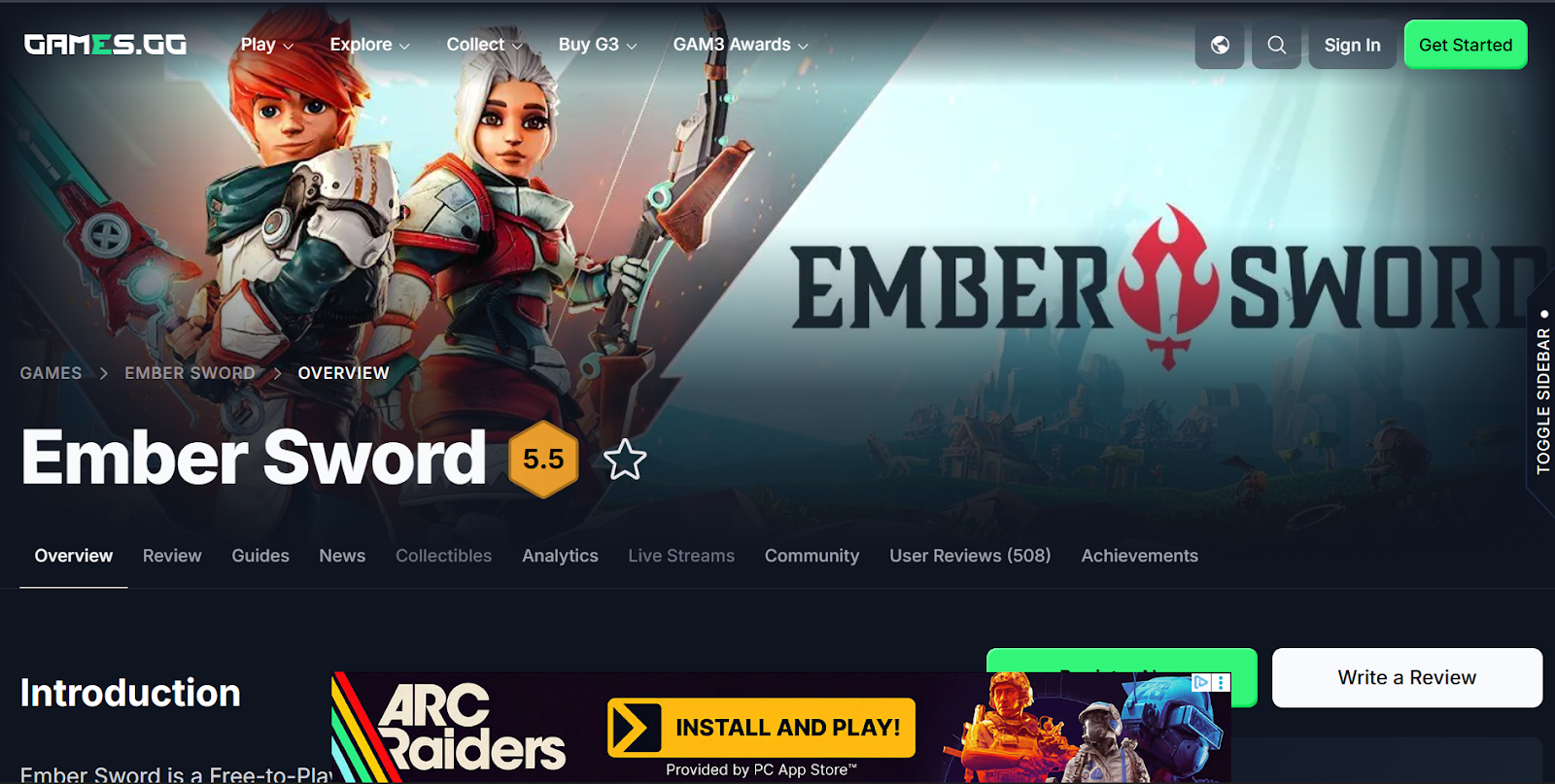
Nifty Island is a social focused NFT game that blends creativity, exploration, and ownership in a way that feels accessible to both gamers and creators. The game centers on player owned islands, which act as personal spaces you can build, customize, and share with others. These islands are NFTs, meaning you fully own them and control how they are used inside the platform.
Gameplay in Nifty Island revolves around interaction and creation rather than combat. You can design your island using assets, games, and interactive elements, then invite other players to visit. Many players earn by hosting experiences, showcasing digital art, or building mini games that attract traffic. The more engaging your island is, the more opportunities you have to earn through rewards and marketplace activity.
Nifty Island also connects closely with the broader NFT ecosystem. You can display NFTs you already own from other collections, turning your island into a personal gallery or social hub. This makes the game appealing if you are active in NFT communities and want a space that reflects your identity. Assets created or used on the platform can be traded, giving players flexibility in how they approach earning.
From an earning perspective, Nifty Island appeals to players who want options beyond grinding or competition. You can earn through island ownership, event participation, and creative contributions. This makes it attractive to players who enjoy social interaction and long term building rather than fast paced gameplay.
8. God Unchained
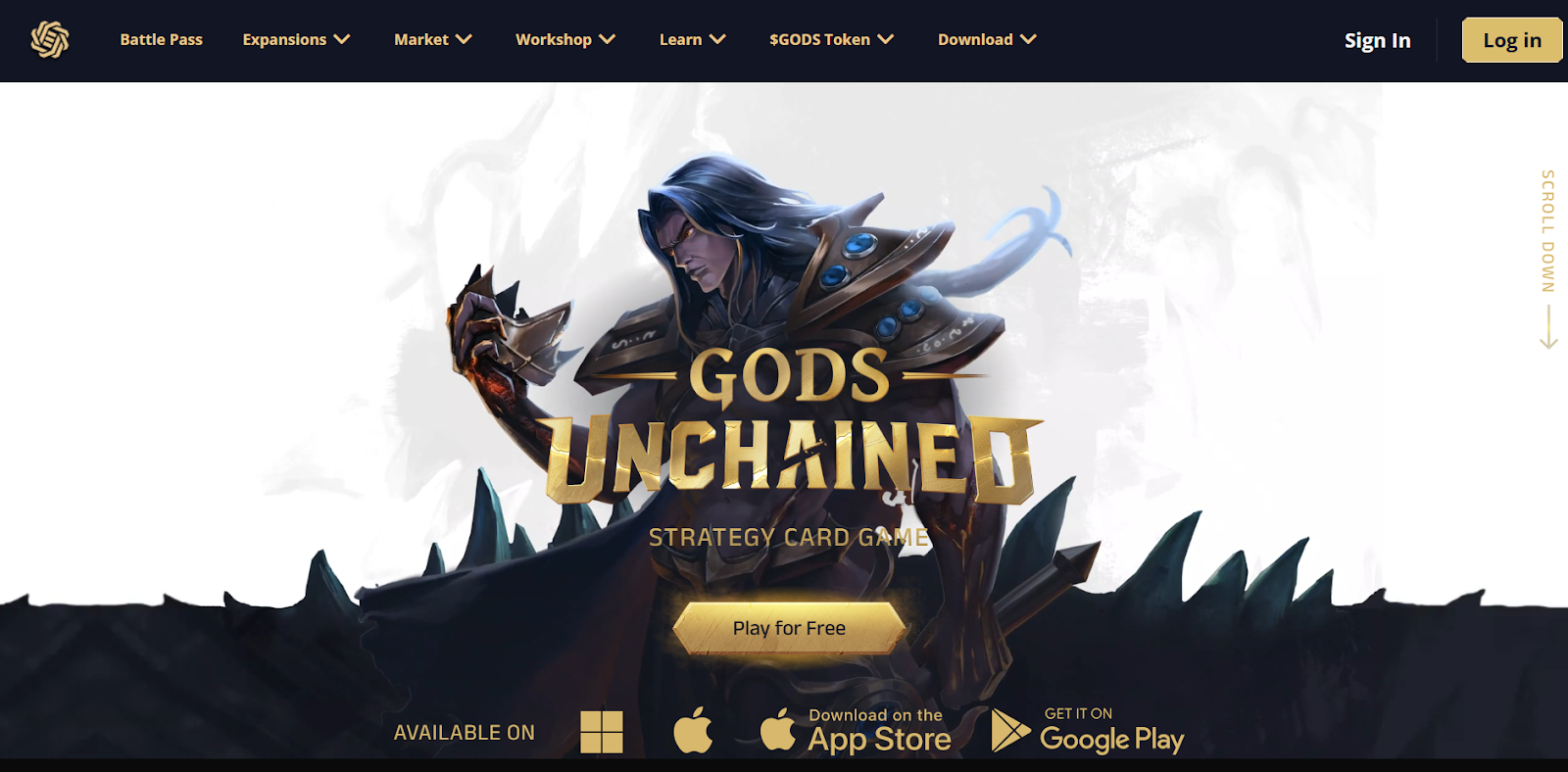
Gods Unchained is a competitive card game that has carved its place among the most popular NFT video games. Designed for players who enjoy strategy and skill-based gameplay, this blockchain-powered game allows you to collect, trade, and battle with digital cards, each of which is a unique NFT. The game’s focus on ownership and fair play has made it a favorite among gamers and crypto enthusiasts alike.
In Gods Unchained, you build a deck of cards featuring gods, spells, and creatures, each with unique abilities. Every card is an NFT that you fully own, giving you the freedom to trade or sell them on the game’s marketplace. Winning battles and completing challenges can earn you additional cards and rewards, adding depth and excitement to the gameplay.
The game operates on the Ethereum blockchain, ensuring secure transactions and true ownership of your digital assets. Gods Unchained also uses Immutable X, a layer-2 scaling solution, to provide gas-free transactions, making it easier for you if you are getting started with Gods Unchained. This seamless integration of blockchain technology enhances the gaming experience. What sets Gods Unchained apart is its emphasis on fair play. Matches are skill-based, ensuring that your success depends on strategy rather than the size of your wallet. This approach has attracted a dedicated community of players who value both the competitive aspect and the opportunity to own and trade NFTs.
9. Sorare
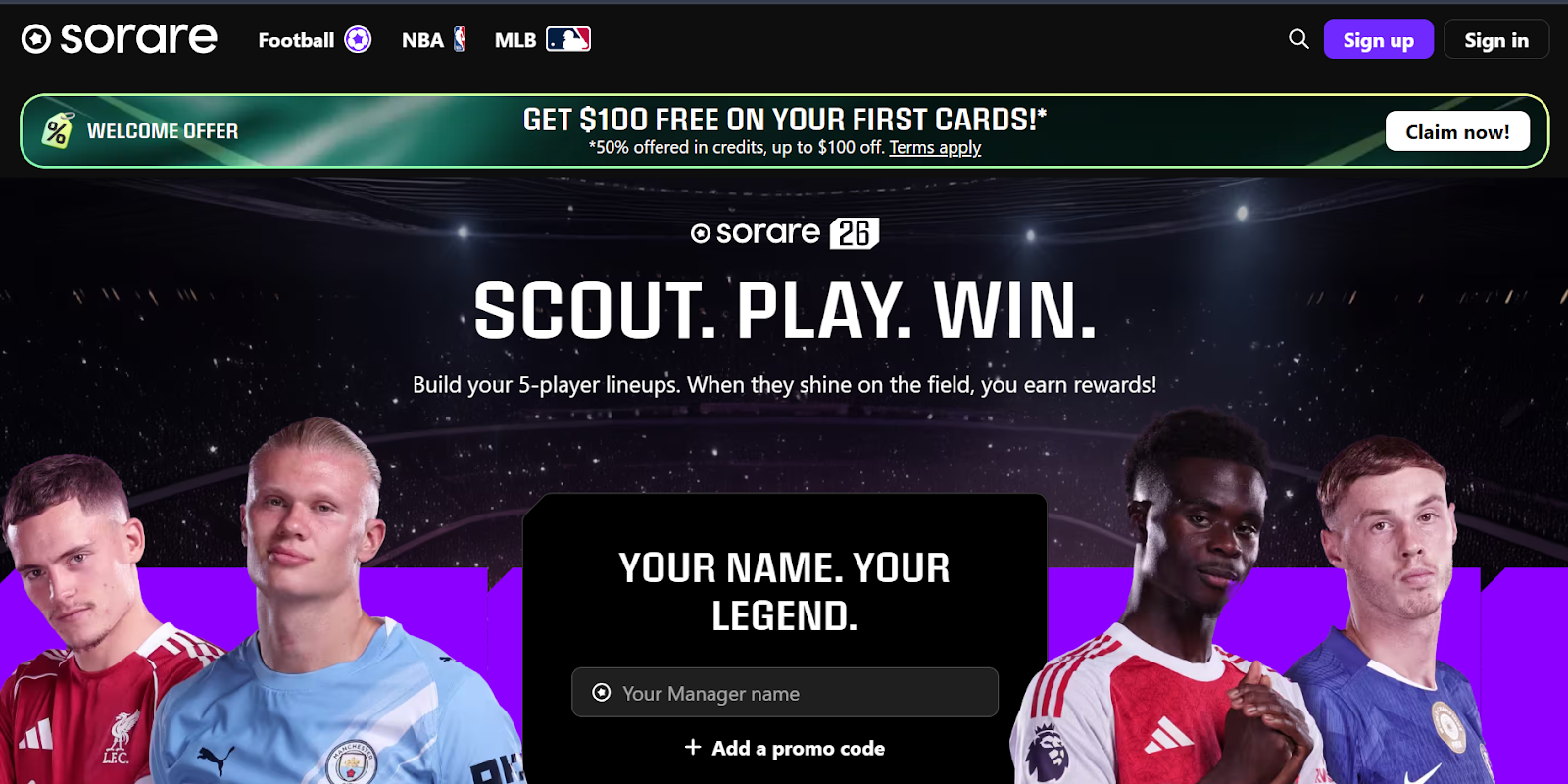
Sorare is a sports focused NFT game built around real world football, baseball, and basketball. Instead of controlling characters in a virtual world, you collect digital player cards that are tied to real athletes and their actual performance. Each card is an NFT with different levels of rarity, which affects how competitive and valuable it can be.
Gameplay is based on fantasy style tournaments. You create teams using your cards and earn points based on how those athletes perform in real matches. Strong performance leads to rewards, which can include new cards or digital prizes with real value. This structure rewards knowledge, research, and smart decision making rather than fast reflexes.
Trading plays a major role in Sorare. You can buy, sell, or trade cards on the marketplace, and many players focus on spotting undervalued players early. Because the cards are limited and tied to licensed teams and leagues, demand stays consistent. This makes Sorare appealing to sports fans who enjoy strategy and long term planning.
Sorare is easy to understand and does not rely on complex mechanics. When you enjoy sports analytics and collecting, it offers a clear and skill driven way to earn through NFT ownership without needing to grind gameplay for hours.
10. Shrapnel
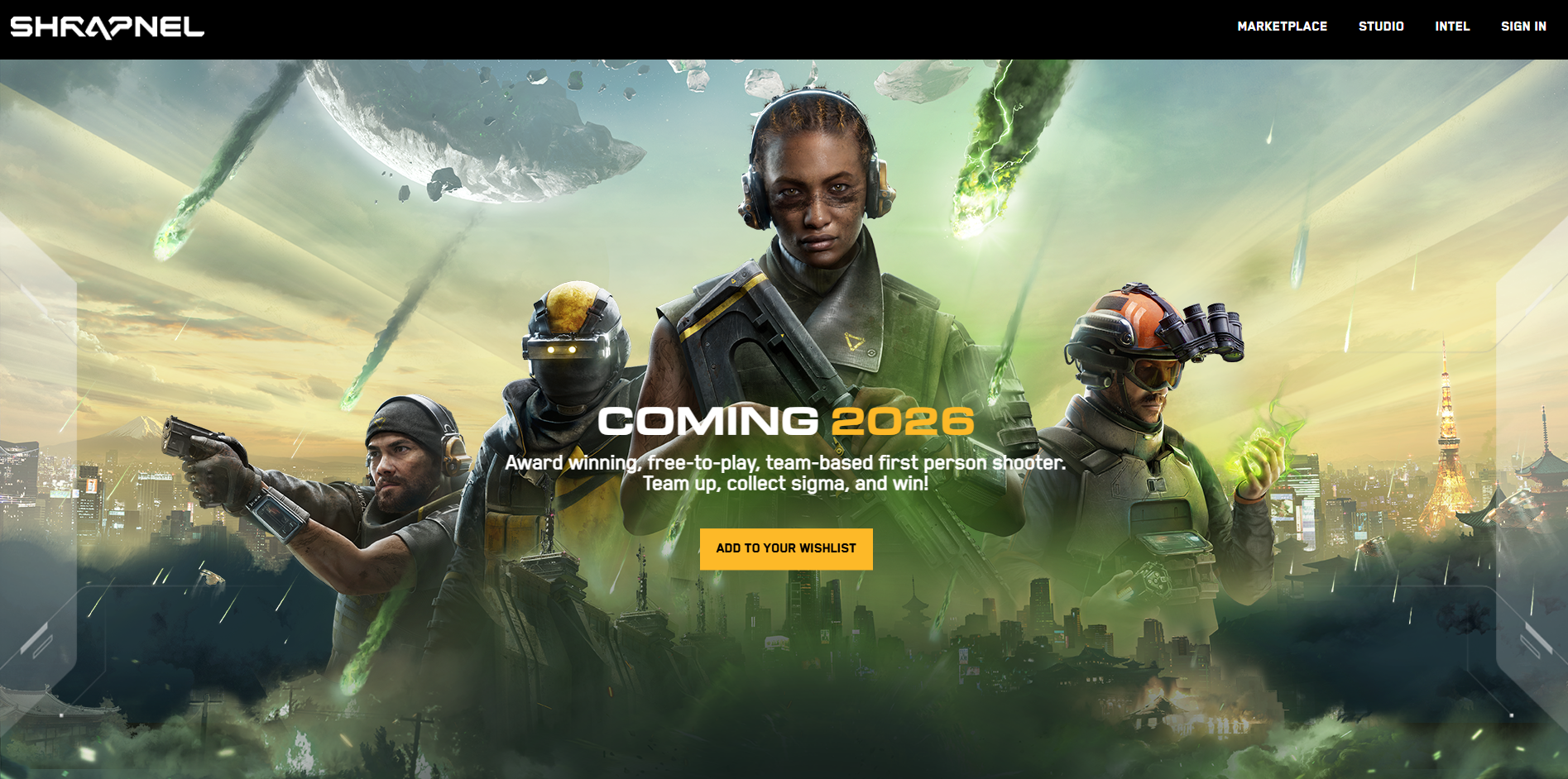
Shrapnel is a tactical first person shooter built around blockchain technology and player owned items. The game puts you in fast paced combat scenarios where gear, weapons, and cosmetic items are NFTs you can buy, sell, or trade. Instead of simply earning points or achievements, you earn assets that have real world demand because other players want them.
Gameplay in Shrapnel focuses on skill and strategy. You complete matches, earn rewards based on performance, and unlock rare items that can be listed on NFT marketplaces. Because these assets are blockchain based, you truly own what you earn. This approach gives you a clear path for earning through competitive play and trading NFTs rather than only through in game progression.
Buying and selling NFTs in Shrapnel is straightforward once you connect a digital wallet. The marketplace lets you see what items are listed, compare prices, and choose when to trade. This makes it easier for you to turn your in game success into tangible value outside the game world.
Shrapnel also emphasizes community and competition. Events, tournaments, and seasonal content keep the gameplay fresh and give players more chances to earn valuable rewards. After seeing what some of the top NFT games look like, it’s time to think about what fits you best. Your goals, budget, and playing style should guide your choice more than hype or trends.
How Do NFT Games Work?
NFT games are digital games that let you own in game items instead of just using them. In NFT video games, things like characters, skins, weapons, or land exist as non fungible tokens, also called NFTs. These NFTs exist on a blockchain, which is a shared digital record that shows who owns what. Because of this, the items you earn are yours, not the game company’s. You can keep them, trade them, or sell them if other players want them.
When you play NFT games, you interact with both gameplay and an economy. You complete tasks, win matches, explore worlds, or build assets, and the game rewards you with NFTs or crypto tokens. These rewards have value because they can be used in game or traded outside the game. This is why many NFT video games are known as top play-to-earn games. Your time and effort can lead to real rewards, not just progress on a screen.
Behind the scenes, NFT games use smart contracts, which are automatic programs that run on the blockchain. Smart contracts control how items are created, how rewards are given, and how ownership is tracked. When you earn an NFT, the blockchain records it under your digital wallet. This makes ownership clear and hard to fake. Games that manage this well often become the most profitable NFT games to earn money because players trust the system, and the market stays active.
Most NFT games follow similar working mechanics, even though the gameplay styles differ.
- You connect a digital wallet to the game to store NFTs and tokens
- You play the game by completing missions, battling, or trading assets
- You earn NFTs or tokens based on skill, time, or strategy
- You sell, trade, or reuse those assets to earn or improve gameplay
How to Choose the Best NFT Game
With the growing popularity of NFT games, choosing the right one can feel like navigating a maze. Your choice not only determines your entertainment but also your potential to earn. To make the most of your time and resources, it is essential to evaluate a few critical factors before diving in.
1. Gameplay Quality
The first thing to consider is the quality of the gameplay. A game should be engaging and enjoyable, offering more than just financial incentives. Look for games with immersive storylines, strategic depth, or unique mechanics that keep you coming back. A well-designed game ensures a loyal player base, which is crucial for the long-term value of its NFTs.
2. Earning Potential
For those aiming to profit from NFT assets, the earning potential of a game is a key factor. Investigate the play-to-earn model, how rewards are distributed, and what activities generate income. Some games offer rewards for completing tasks, while others provide passive income through asset ownership like virtual land. Understanding the game’s tokenomics is vital to assess its sustainability.
3. Community Engagement
A strong and active community often reflects the health of an NFT game. Check the game’s social media presence, forums, and Discord channels. A vibrant community not only enhances the gaming experience but also indicates the project’s credibility and potential for growth. Developers who actively engage with players are a big plus.
4. Blockchain and Wallet Compatibility
The blockchain on which the game operates plays a significant role in its performance. Games built on reliable blockchains like Ethereum, Solana, or Polygon offer better security and scalability. Additionally, ensure the game supports popular crypto wallets and has low transaction fees, as these factors directly impact your experience and earnings.
5. Marketplace Activity
An active marketplace is essential for trading and liquidating your NFTs. Before committing, explore the game’s marketplace to check transaction volumes and liquidity. A bustling marketplace ensures you can easily buy, sell, or trade assets, turning your in-game achievements into real-world financial gains.
How to Start Playing NFT Games
Getting started with NFT games is straightforward. Here are the key steps to help you start playing NFT games with clarity.
Step 1. Create a Digital Crypto Wallet
The first step is setting up a digital crypto wallet, which acts as your identity and bank account in the gaming ecosystem. It stores your cryptocurrencies and NFTs. Popular wallets include MetaMask for Ethereum-based games or Phantom for Solana. Always secure your recovery phrase offline to protect your assets.
Step 2. Choose the Right Game for You
Select a game that matches your interests. Whether you enjoy strategy, role-playing, or trading card games, there’s something for everyone. Research games with active communities and sustainable economies. You might wonder who blockchain games are designed for ; the answer is everyone, from casual players to hardcore strategists.
Step 3. Understand the Game Mechanics
Before investing, take time to understand the game’s rules, tokenomics, and reward systems. Many games offer tutorials or free-to-play modes, which are great for learning the basics without financial risk.
Step 4. Acquire Necessary NFTs or Tokens
Most NFT games require an initial investment, such as purchasing characters, land, or starter packs. You’ll need to buy the game’s native token or a major cryptocurrency like Ethereum, transfer it to your wallet, and use it to acquire assets from the game’s marketplace.
Step 5. Connect Your Wallet and Start Playing
Once you have your assets, connect your wallet to the game’s official website. This step usually involves clicking a Connect Wallet button and approving a request in your wallet app. After connecting, you can start playing, completing quests, or earning rewards.
Step 6. Engage with the Community
Join the game’s community on platforms like Discord or Twitter. Engaging with other players provides valuable tips, strategies, and updates. Active participation can also lead to exclusive events or drops that enhance your gaming experience.
Key Trends of NFT Games
NFT games continue to evolve as players demand better value, clearer ownership, and experiences that last beyond a single title. In 2026, the focus has shifted from short term hype to systems that reward commitment and creativity. Understanding these trends helps you spot games with real potential and avoid projects that lack direction. The most important changes center on how players earn, what they own, and how assets move across games.
Play to Earn (P2E)
Play to earn, often shortened to P2E, is one of the strongest forces shaping NFT gaming today. In P2E games, your time and skill translate into rewards you can actually use or trade. Instead of grinding for points that reset every season, you earn tokens or NFTs that hold value outside the game. This model attracts players who want their effort to matter. Game developers are also refining P2E systems to avoid inflation and burnout by rewarding smart play, competition, and long term participation rather than endless repetition.
Asset Ownership
Asset ownership is a core reason players choose NFT games over traditional ones. When you earn or buy an item, you own it fully. That ownership lives on the blockchain, not on a company server. You can trade items, sell them, or hold them for future use. This shift gives you control and flexibility. It also encourages healthier game economies, since players care more about assets they truly own.
Cross Game Utility
Cross game utility is becoming more important as the space matures. Some NFT games now design assets that work across multiple experiences. A character, item, or token earned in one game may unlock features or value in another. This approach protects your investment of time and money by extending the life of your assets. As more developers collaborate, cross game utility helps create connected ecosystems instead of isolated games.
Conclusion
The world of NFT games in 2026 offers a diverse range of opportunities for gamers, blending entertainment with the potential for real-world rewards. From strategy-based card games to immersive metaverse experiences, these games cater to various interests and skill levels. Choosing the right game involves evaluating factors like gameplay quality, earning potential, and community engagement. As blockchain technology continues to evolve, NFT games are set to become even more innovative and accessible. Gamers who embrace this trend can enjoy not only engaging gameplay but also the chance to own and trade unique digital assets, making the experience both fun and rewarding.
FAQs
NFT games can be profitable, but success depends on several factors, including the game’s economic model, your level of engagement, and market conditions. Many players earn through reward systems, where completing tasks or winning battles rewards them with tokens or NFTs. These assets can often be sold or traded for real money. However, profitability is not guaranteed, as the value of NFTs and tokens can fluctuate based on demand, game popularity, and broader cryptocurrency market trends.
The No. 1 NFT game is subjective and depends on what players value most, such as gameplay, earning potential, or community size. Axie Infinity is often regarded as a leading NFT game due to its robust play-to-earn model and active player base. Other popular contenders include The Sandbox, which focuses on virtual land ownership and creativity, and Gods Unchained, a strategy card game with competitive elements. The top game for you will depend on your interests and goals within the NFT gaming space.
Yes, it is possible to lose money playing NFT games. Many games require an initial investment in NFTs or tokens, and the value of these assets can decrease due to market volatility, changes in the game’s economy, or reduced player interest. Additionally, transaction fees for buying, selling, or trading NFTs can add up, further impacting your financial outcomes. It’s important to research the game thoroughly and only invest what you can afford to lose.
Yes, there are free NFT games that allow players to start without any upfront investment. These games often provide free starter characters, cards, or resources to help new players get started. Examples include Gods Unchained, which offers free card packs, and Splinterlands, where players can earn rewards without purchasing assets initially. While free NFT games can be a great way to explore blockchain gaming, earning potential may be limited compared to games that require an investment.
NFT games generate income through various revenue streams, including in-game purchases, transaction fees, and marketplace activity. Developers earn when players buy NFTs, such as characters, skins, or virtual land, directly from the game. Additionally, many games charge a percentage fee on transactions made in their marketplaces. Some games also generate revenue through tokenomics, where players use the game’s native cryptocurrency for purchases or staking. These mechanisms create a sustainable ecosystem that benefits both developers and players.