
Following Bitwise’s Chainlink ETP launch, Hougan said that investors misunderstand the asset’s role, despite its dominance across stablecoins, DeFi, tokenization, and institutional crypto infrastructure.
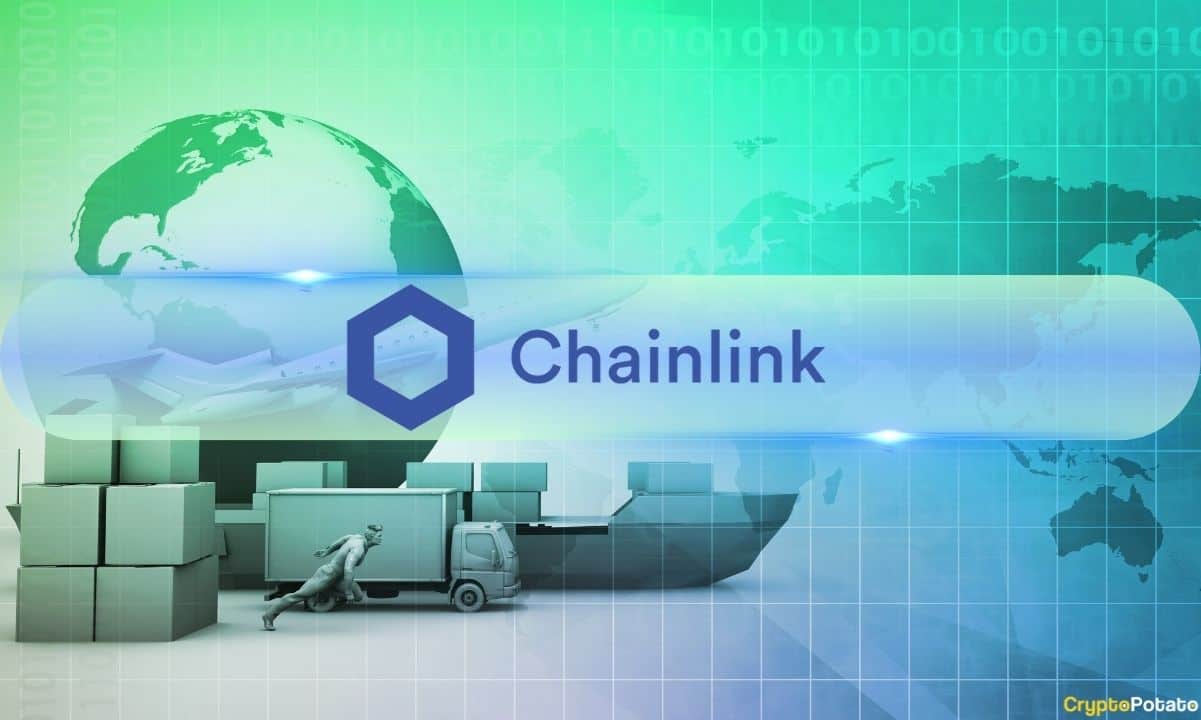
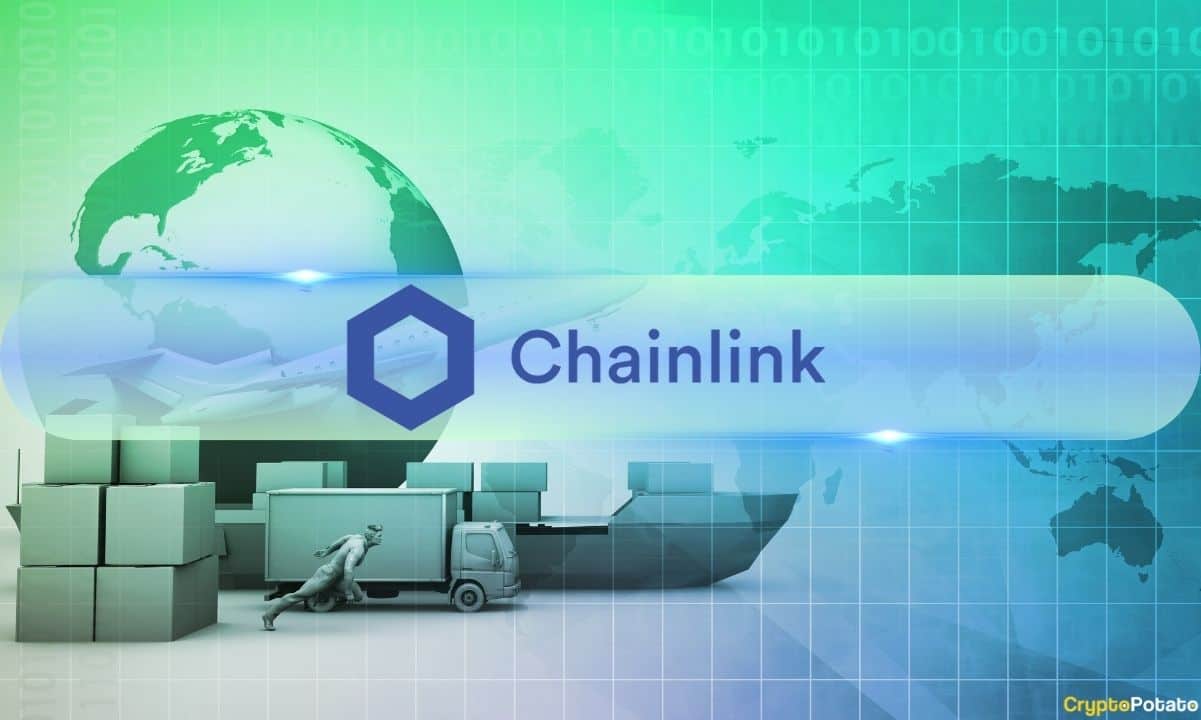
Matt Hougan, chief investment officer at crypto asset manager Bitwise, believes Chainlink (LINK) is one of the “least understood, most important, and possibly most undervalued” crypto assets.
The exec’s comments come days after the quiet launch of Bitwise’s new Chainlink exchange-traded product (ETP).
From Stablecoins to DeFi
In the latest memo, Hougan stated that the Chainlink ETP debuted with modest volumes and tight spreads, but without the strong reception seen by Bitcoin ETPs. He attributed this to investors failing to fully grasp LINK’s role in the crypto ecosystem. He described Chainlink, currently the 11th-largest crypto asset by market capitalization at nearly $10 billion, as a complex project that does not fit neatly into the simple narratives often associated with other major cryptocurrencies, such as Bitcoin as digital gold or Ethereum as a smart contract platform.
Hougan argued that referring to Chainlink just as a “data oracle” understates its function and creates confusion. While oracles are typically described as services that provide blockchains with external information, such as asset prices or real-world events, Hougan said this explanation fails to capture the breadth of what Chainlink does today.
Instead, he framed it as a high-growth software platform that helps solve a “core problem” facing blockchains – their isolation from each other and from the real world. He said Chainlink has achieved dominant market share, which ranges from roughly 50% to nearly 100%, across several of these infrastructure services. The Bitwise exec also argued that many of the fastest-growing and institutionally relevant areas of crypto rely heavily on its technology.
He said stablecoins depend on Chainlink for price feeds, cross-chain movement, and proof-of-reserves mechanisms, while tokenization initiatives rely on it for pricing, asset servicing, and compliance-related processes. Hougan added that decentralized finance applications and prediction markets also depend on its services to function.
He pointed to the project’s adoption by some of the world’s largest institutions and market participants, such as DTCC, SWIFT, JPMorgan, BNP Paribas, Visa, Mastercard, Euroclear, Fidelity, Franklin Templeton, FTSE Russell, Coinbase, Aave, Deutsche Börse, and Polymarket.
You may also like:
The exec expects growing institutional demand for Chainlink ETPs as more financial assets move on-chain.
LINK Price Trajectory
On the price side of things, LINK has seen increased volatility over the past month. After trading mostly sideways in late December, the token rallied in early January and briefly climbed above the $14 level before losing momentum. However, it soon suffered a pullback, as a result of which LINK gave up a portion of its gains and slid back toward the $12.3 range in recent sessions.
Meanwhile, blockchain analytics firm Santiment said the largest Chainlink holders have resumed accumulating the token as prices slipped back below the $13 level. According to the data, wallets ranked among the top 100 LINK holders have been increasing their balances during the recent pullback, even as smaller retail investors appear to be selling amid impatience and fear, uncertainty, and doubt (FUD).
The firm noted that such behavior is common during periods of market weakness, and large investors often accumulate assets during dips in anticipation of a potential price recovery.
SECRET PARTNERSHIP BONUS for CryptoPotato readers: Use this link to register and unlock $1,500 in exclusive BingX Exchange rewards (limited time offer).