
Iran says shipping through the Strait of Hormuz will return to normal once security conditions are met. The word “normal,” though, is doing a lot of heavy lifting in that sentence.
What Iran appears to mean by normalization isn’t a return to the pre-crisis status quo. It’s the rollout of a structured governance system that turns one of the world’s most critical maritime corridors into something closer to a toll road, complete with permits, inspections, and defined routing corridors managed by the Islamic Revolutionary Guard Corps.
The new rules of the strait
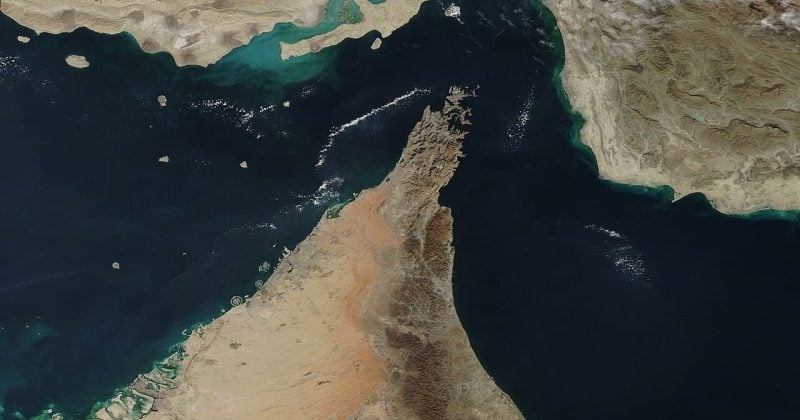
The Strait of Hormuz handles roughly a fifth of global oil supply on any given day. Iran has established what it calls the Persian Gulf Strait Authority, or PGSA. The body now requires vessels to secure electronic transit permits before passing through the strait, stick to designated shipping corridors, and submit to inspections. Non-compliance carries strict penalties.
Iran has floated a proposed outbound oil toll of approximately $1 per barrel. For context, that’s a fee applied to every barrel of crude moving through a chokepoint that handles millions of barrels daily.
IRGC statements have framed the new system around the concept of “safe, stable passage,” language that means passage is conditional. Ships that don’t follow the new protocols don’t transit.
Roughly 3,200 vessels remain stranded west of the strait, including an estimated 800 tankers and cargo ships.
Geopolitical context
Shipowners are reportedly anxious and demanding clarity on costs, timelines, and conditions for transit. The PGSA framework provides some structure, but the IRGC’s continued management of transit routes adds complexity, as it is a military and economic institution with its own strategic interests.
Prediction markets aren’t buying it
Crypto-based prediction markets are pricing in roughly a 15% chance of traffic through Hormuz actually normalizing. Liquidity in these contracts is thin, and trading is cautious.
The PGSA, the permit system, the tolls: these aren’t temporary measures. They’re institutional, suggesting Iran is building a long-term revenue and control mechanism.
What investors should be watching
The 3,200 stranded vessels are the number to track. If that figure starts dropping meaningfully, it means the PGSA permit system is actually processing traffic. If it stays flat or grows, the rhetoric is just rhetoric.
The proposed $1 per barrel toll, if implemented and enforced, fundamentally changes the cost structure of Middle Eastern oil exports. For prediction market participants, the current 15% probability creates an asymmetric opportunity, but low liquidity means prices can move sharply on small volume.